Free Man and Woman
Toni Morrison photographed in 2008, wearing a dark jacket and looking directly at the camera with quiet authority.
Literary Legacy

Toni Morrison: The Architect of American Memory

On the novelist who refused to apologize — and, in doing so, became the first Black woman to win the Nobel Prize in Literature.

Editorial April 18, 2026 9 Min Read

When Toni Morrison was awarded the Nobel Prize in Literature in 1993, she became the first Black American ever to receive it and only the eighth woman in the prize's ninety-two-year history. The Swedish Academy's citation called her work "visionary force" — a phrase that now feels almost euphemistic. What Morrison built, over a career that spanned five decades and eleven novels, was an architecture of memory that had no prior blueprint in American letters.

Morrison wrote Beloved, published in 1987, by sitting with a true story she could not unsee: the 1856 case of Margaret Garner, a formerly enslaved woman who killed her own daughter rather than see her returned to bondage. The novel that emerged is, among other things, a ghost story, a love story, and an indictment of what the American nation had agreed not to remember. It won the Pulitzer Prize. It is now, thirty-nine years on, taught in high schools that once banned it.

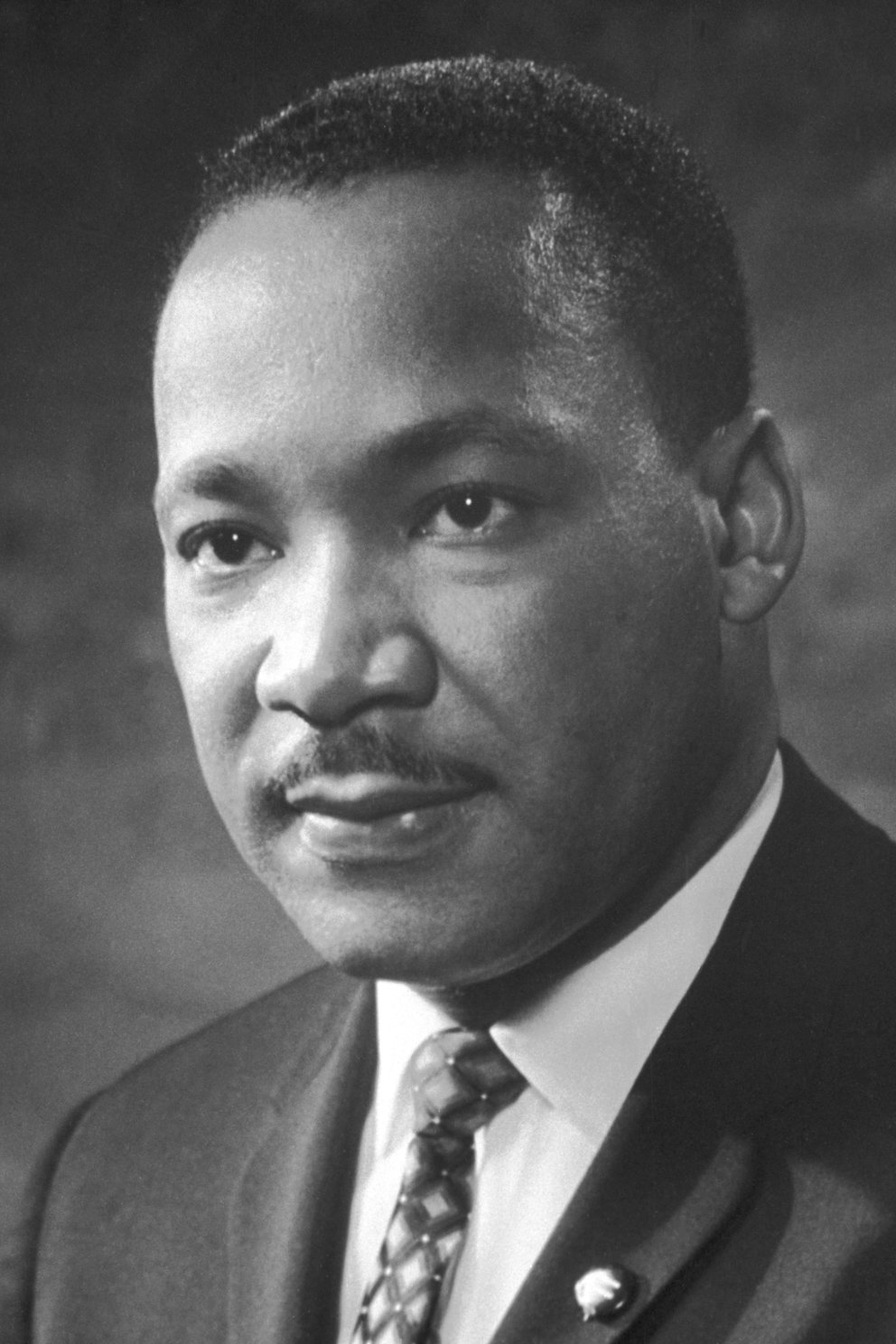
If there is a book that you want to read, but it hasn't been written yet, then you must write it. — Toni Morrison

Her project was, at its root, interpretive sovereignty. Morrison refused the translator's role that Black writers had long been pressed into — the explaining, the contextualizing, the side-bar for white readers who wanted the experience without the effort. Her novels address Black readers first. White readers are welcome to listen. They are not centered. The effect is a kind of literary decolonization that changed what American fiction was allowed to be.

Morrison died in 2019 at eighty-eight. Her editorial papers — which include her work as the first Black woman senior editor at Random House, where she championed Angela Davis, Toni Cade Bambara, Muhammad Ali, and Gayl Jones into print — now reside at Princeton. They are, as she was, a record of a woman who understood that publishing decisions are acts of political imagination, and who acted accordingly.

Continue Reading