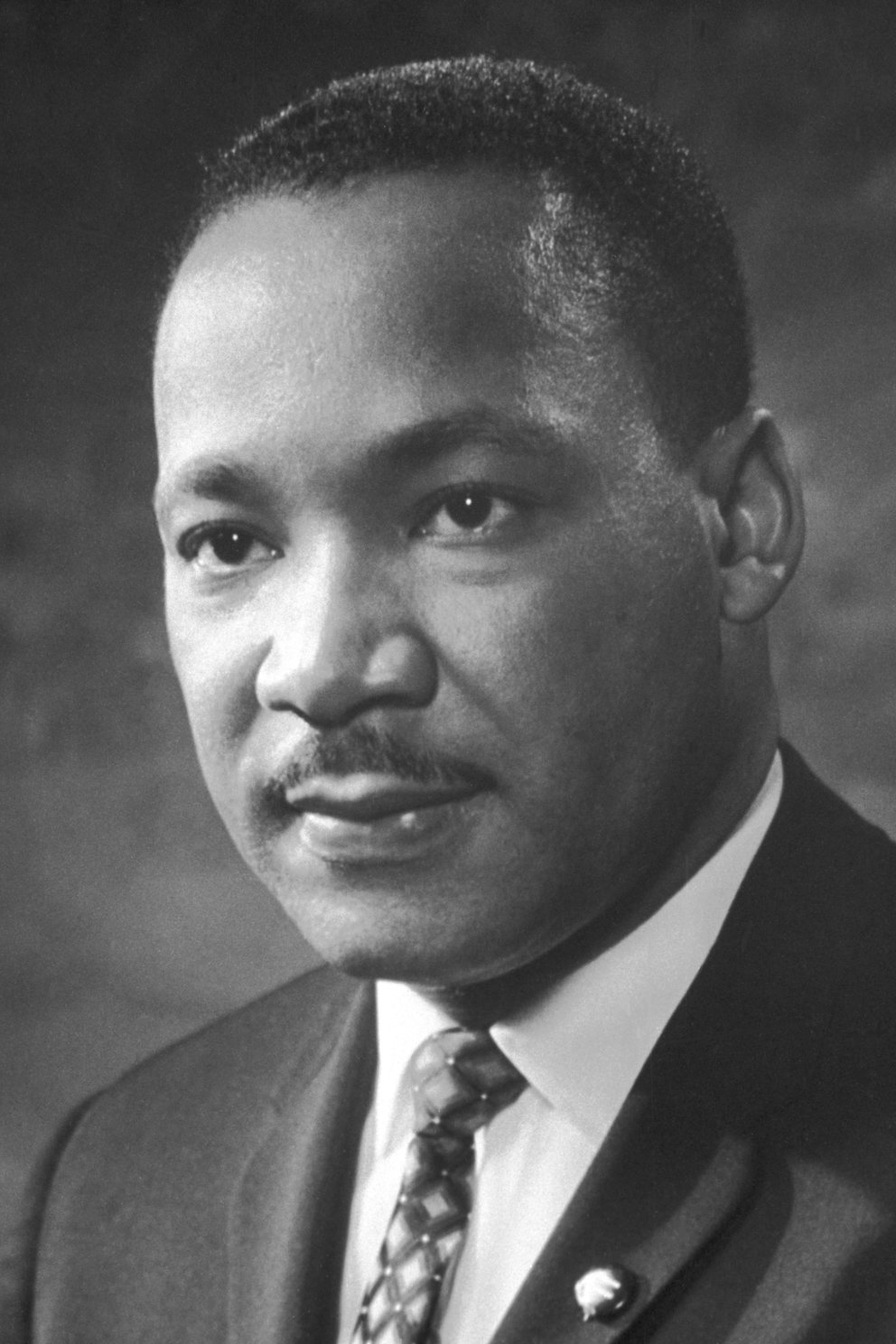
James Baldwin did not write to be liked. He wrote to be understood — and, failing that, to be accurate. Across essays, novels, and a body of public speech that stretched from Harlem to Istanbul to Saint-Paul-de-Vence, Baldwin insisted on a proposition that America had spent three centuries trying to unlearn: that Black life and white life in this country are not separate stories, but a single story told from opposite ends of the same dark room.
His 1963 book-length letter to his nephew, The Fire Next Time, remains the clearest statement of that proposition ever written. It is short — barely a hundred pages — and it is a document of almost unbearable precision. Baldwin addresses his nephew directly, tells him what his country thinks of him, and tells him, without flinching, what the country will require him to become if he is to survive it. The letter is a warning and a blessing. It is also a map.