Free Man and Woman
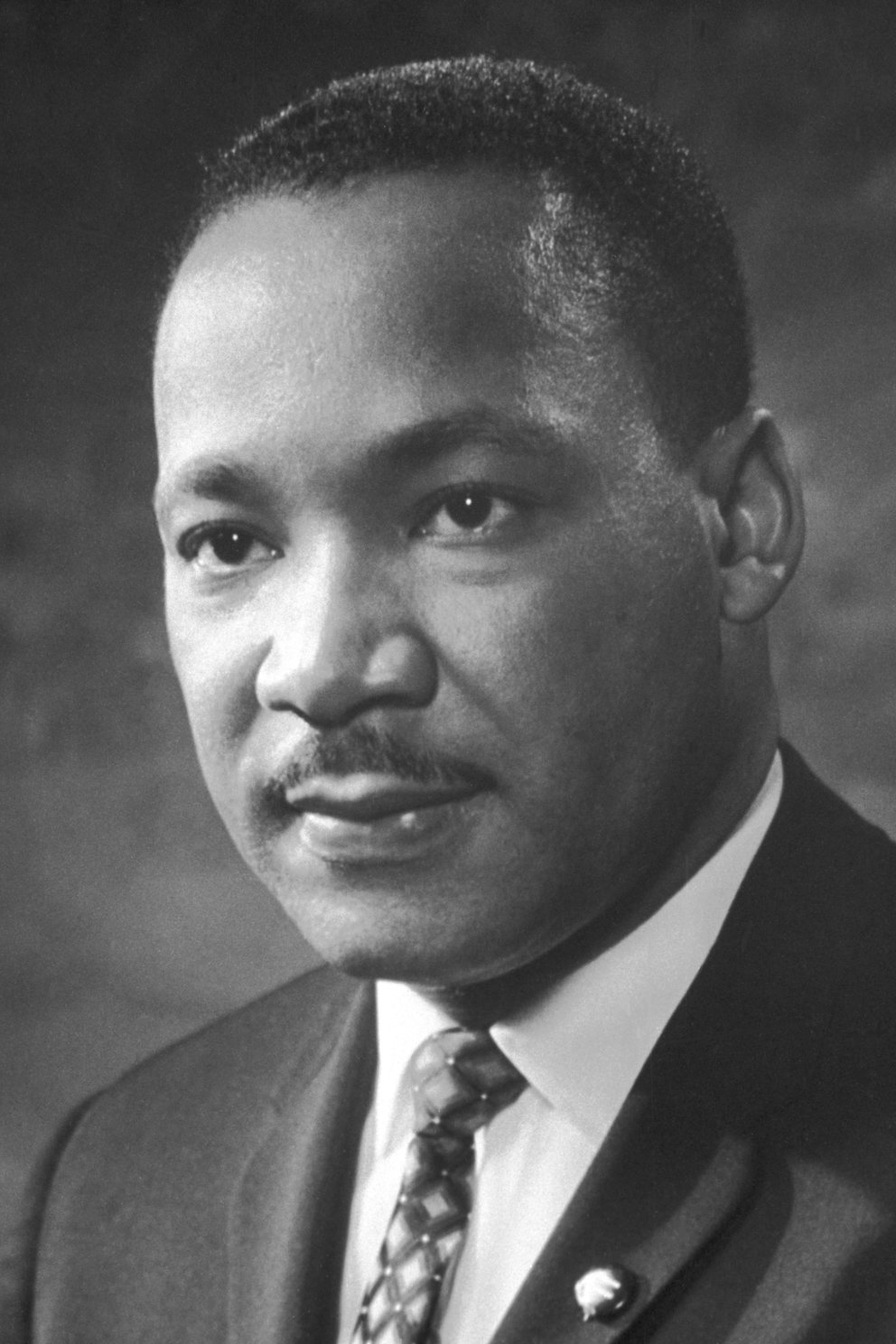
Martin Luther King Jr. in 1964, photographed in a dark suit against a neutral background, mid-thought.
Movement History

Letter from Birmingham Jail

April 16, 1963. Martin Luther King Jr., held in solitary confinement, wrote the single most consequential document of the civil rights movement on the margins of a newspaper.

Editorial April 17, 2026 10 Min Read

On Good Friday, April 12, 1963, Martin Luther King Jr. was arrested in Birmingham, Alabama, for violating a state injunction against public protest. He was placed in solitary confinement. Four days later, having read in The Birmingham News a published letter from eight white Alabama clergymen calling his nonviolent direct action "unwise and untimely," King began to write a response — first in the margins of the newspaper itself, then on scraps smuggled in by his attorneys, then on a legal pad.

The document that emerged, now known as Letter from Birmingham Jail, runs to roughly seven thousand words. It answers the clergymen point by point, and in doing so produces what is arguably the most concise and rigorous articulation of the moral and political philosophy of the civil rights movement ever composed. King writes as a theologian, a constitutional lawyer, a historian of nonviolent resistance, and a participant. He braids the traditions of Augustine, Aquinas, Thoreau, Niebuhr, and Gandhi into a single continuous argument.

Injustice anywhere is a threat to justice everywhere. — Martin Luther King Jr.

The letter's central move is its distinction between just and unjust law. Drawing on a natural-law tradition that stretches from Augustine forward, King argues that a citizen has a moral obligation to disobey laws that degrade human personality, that a willingness to accept the legal penalty for such disobedience is what distinguishes the civil rights activist from the anarchist, and that the most dangerous obstacle to Black freedom is not the Klansman but the moderate who prefers order to justice.

The letter was not widely read on first release. It circulated in mimeographed form through movement channels for months before achieving broader distribution. By the end of 1963, however, it had been reprinted in Christian Century, Atlantic Monthly, and collected in King's book Why We Can't Wait. It is now considered one of the foundational texts of American political thought — and the document that, more than any other, converted the moderate clergy and the moderate public to the cause it had been reluctant to name.

Continue Reading