Free Man and Woman
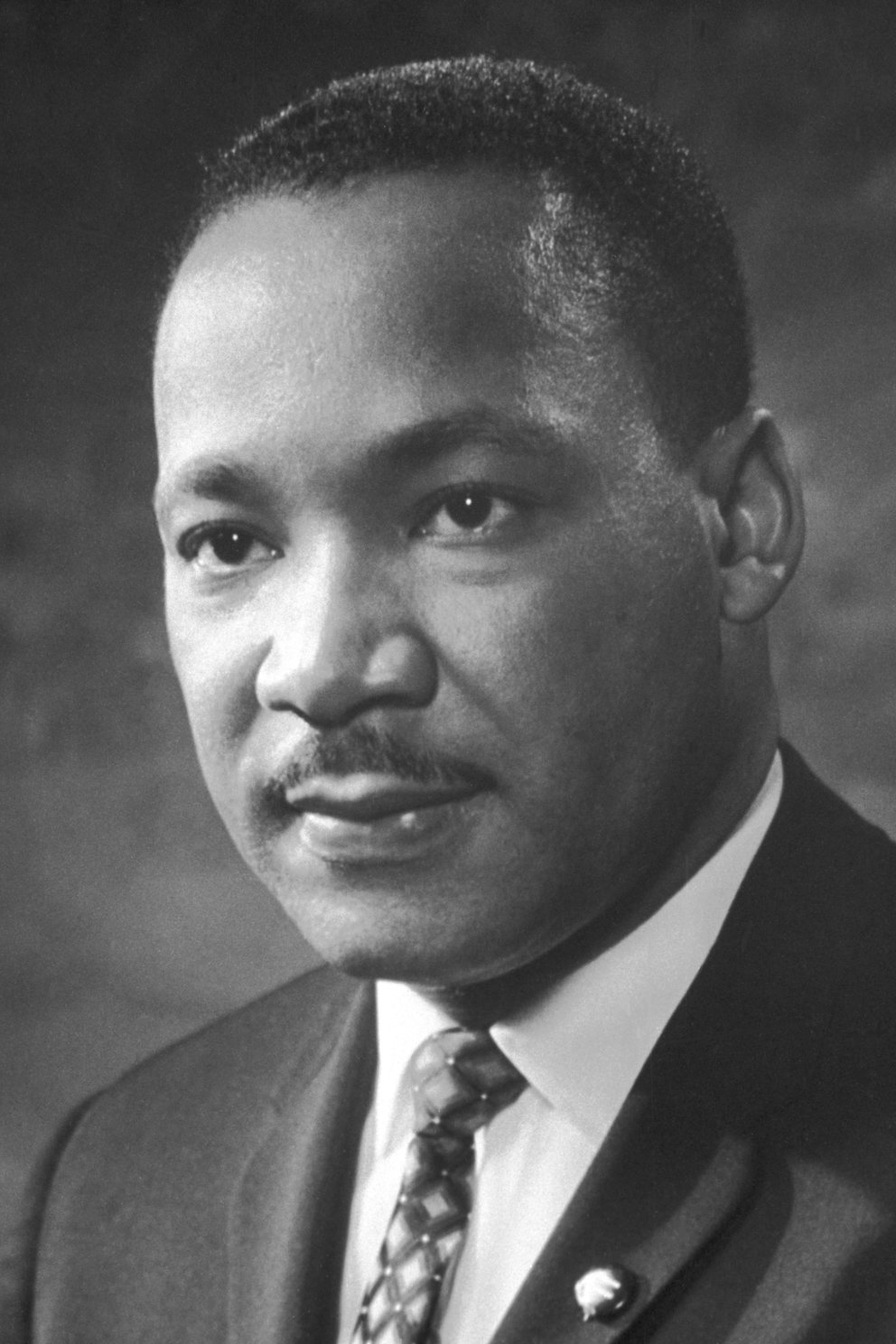
Katherine Johnson at NASA Langley Research Center, photographed at her desk in 1983.
Featured Archive

Hidden Figures: The Human Computers of NASA

Long before they were icons, they were the 'human computers' — the Black women mathematicians whose calculations made the American space program possible.

April 16, 2026 18 Min Read

From 1943 until the unit's desegregation in 1958, the West Area Computing Unit at NASA's Langley Research Center in Hampton, Virginia, employed a group of Black women mathematicians whose job title was, simply, "computer." They calculated by hand the aerodynamic data, wind-tunnel readings, and flight trajectories that made possible the American aeronautical and space programs of the 1950s and 1960s. Their work was segregated — they ate in a separate dining room, used separate bathrooms, and were barred from editorial meetings — and it was, simultaneously, indispensable.

Katherine Johnson, who joined West Computing in 1953, is the best known of them. Her trajectory calculations verified the IBM computer's output for John Glenn's 1962 Friendship 7 mission; Glenn is said to have refused to fly until "the girl" had checked the numbers. Johnson went on to compute trajectories for Apollo 11 and for the lunar module's return-to-orbit rendezvous in 1969. She received the Presidential Medal of Freedom in 2015, at the age of ninety-seven.

Dorothy Vaughan became the first Black supervisor at NACA (NASA's predecessor) in 1949 and, recognizing that electronic computing would eventually replace the human computers, taught herself and her team FORTRAN in order to transition their unit into the new era. She retired in 1971 having remapped her own obsolescence into survival.

Girls are capable of doing everything men are capable of doing. Sometimes they have more imagination than men. — Katherine Johnson

Mary Jackson, the third of the three figures Margot Lee Shetterly profiled in her 2016 book Hidden Figures, became NASA's first Black female engineer after petitioning a Virginia court for permission to attend segregated night classes at Hampton High School — the only venue offering the required graduate-level coursework. She later left engineering to become the agency's Federal Women's Program Manager, a position she used to open doors for the next generation.

NASA's History Office has, in recent years, undertaken a systematic effort to restore the names and records of the approximately eighty women who worked in West Computing. Some of those records were lost to segregation-era filing practices that did not treat Black employees as worth documenting. The reconstruction is slow. It is also a restoration in the strictest sense — returning these women to the day-to-day texture of the missions they made possible.

Continue Reading