Free Man and Woman
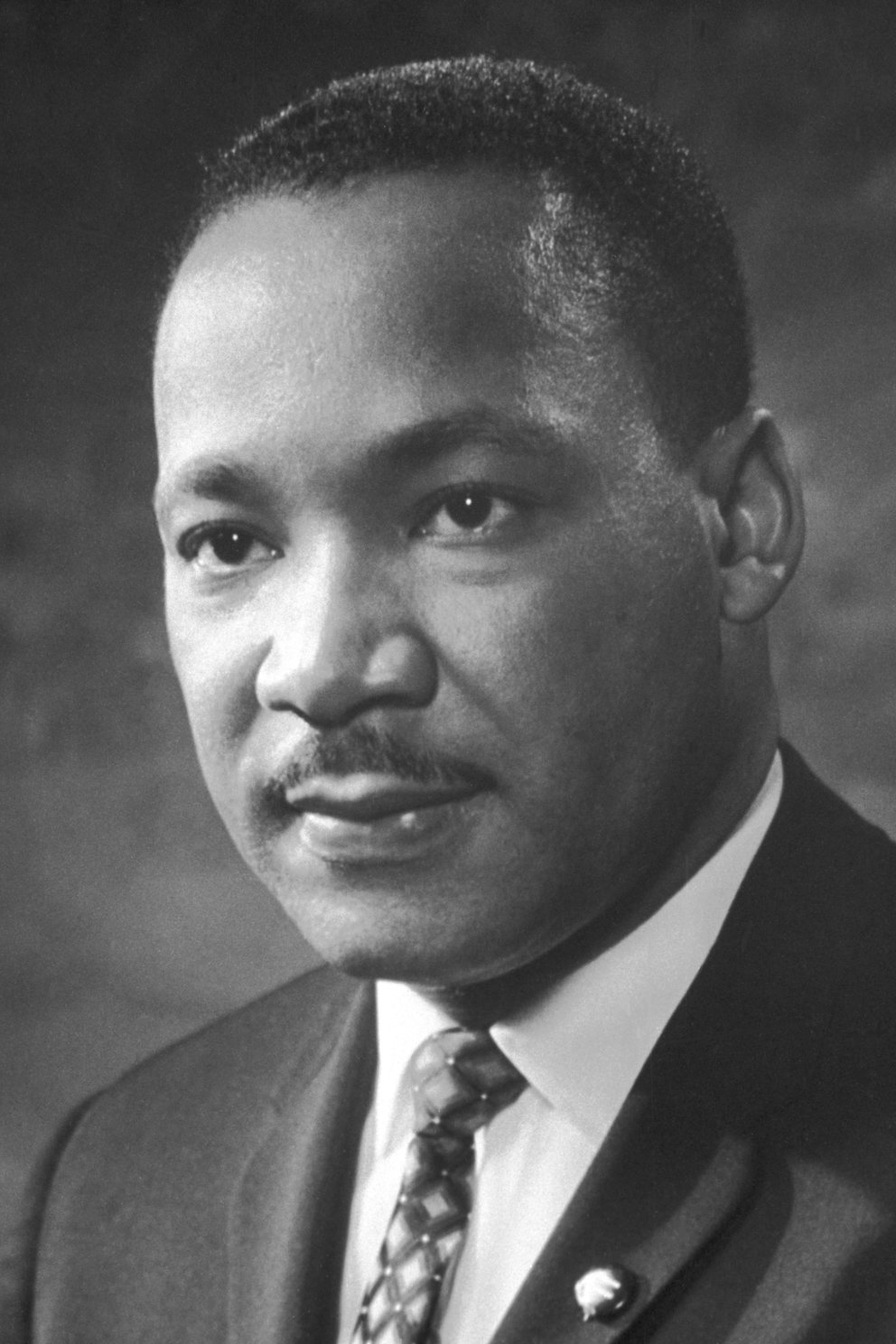
Octavia Butler photographed in her later years, wearing a dark jacket against a plain background.
Speculative Fiction

Octavia Butler and the Architecture of Afrofuturism

The MacArthur-winning science-fiction writer whose novels rewrote the genre's rules for who gets to imagine the future — and what the future is allowed to contain.

April 7, 2026 16 Min Read

Octavia Estelle Butler was born in Pasadena, California, in 1947. She was the only child of a shoeshiner who died when she was seven and a domestic worker who raised her on her own. By her teens, she had read her way through most of the science fiction section of the Pasadena Public Library. She began writing at ten, began submitting at thirteen, and completed her first novel, Patternmaster, at twenty-nine.

Butler published eleven novels and a story collection between 1976 and 2005. The work breaks roughly into three cycles: the Patternist novels, which trace a millennia-spanning lineage of telepathic humans; the Xenogenesis trilogy (now known as Lilith's Brood), which examines what becomes of humanity after an alien race saves it from near-extinction on terms that cost it its species identity; and the Parable novels, Butler's late masterpiece on the collapse of American civil society and the construction of a new religion inside that collapse.

Her 1979 novel Kindred — about a contemporary Black woman pulled involuntarily between 1976 Los Angeles and a nineteenth-century Maryland plantation — is her most widely taught book and the one that introduced her to most readers. It was initially marketed as science fiction, but Butler herself called it a "grim fantasy" and later said the time-travel element was a device to make history physically felt rather than read about. The book has never been out of print.

All that you touch, you change. All that you change, changes you. The only lasting truth is change. — Octavia Butler, Parable of the Sower

In 1995, Butler became the first science fiction writer ever awarded a MacArthur Fellowship. She used the "genius grant" money, she said, to buy her mother a house and to buy herself time to write without having to "explain what science fiction was to every interviewer."

Butler's late novel Parable of the Sower (1993) imagined a near-future California collapsing into climate disaster, corporate feudalism, and a presidential election whose winning slogan was "Make America Great Again." This was seventeen years before that slogan was adopted by an actual American political campaign. Butler died in 2006, at fifty-eight, before she could complete the Parable cycle's intended third and fourth volumes. Her reputation has grown in every year since. She is now widely considered not only the most important Black science fiction writer of the twentieth century but one of its most important science fiction writers, full stop.

Continue Reading