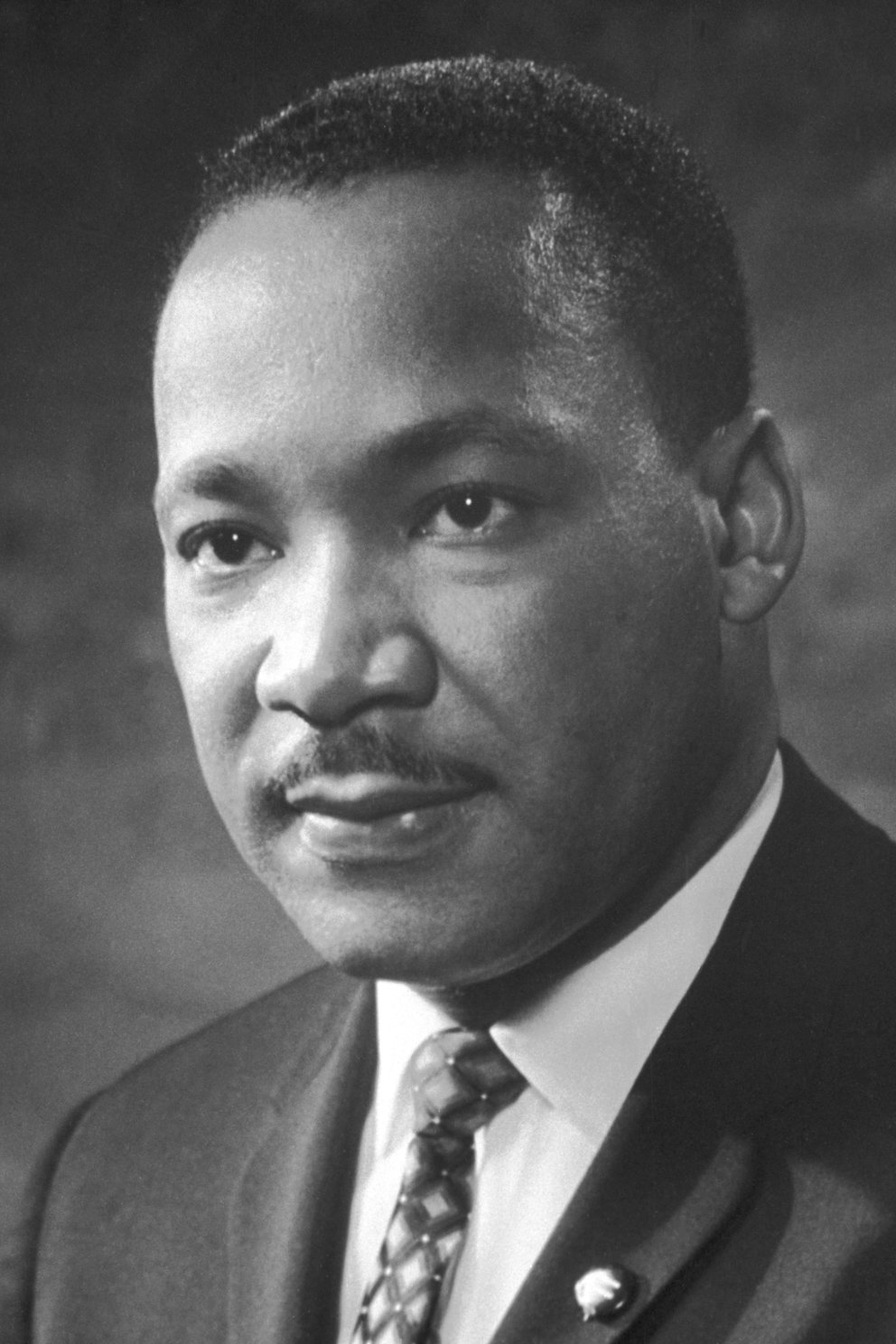
Marcus Mosiah Garvey was born in St. Ann's Bay, Jamaica, in 1887. He arrived in Harlem in 1916 with almost no money and a newly formed organization called the Universal Negro Improvement Association (UNIA), which he had founded in Kingston two years earlier. Within four years, the UNIA had chapters across the United States, the Caribbean, Central and South America, and Africa. At its 1920 international convention at Madison Square Garden, the organization claimed four million members. By its peak in 1923, that number was six million. No Black organization before or since has reached that scale.
The UNIA's platform had three pillars: racial pride, economic self-determination, and the political unity of the African diaspora. Garvey's newspaper, Negro World, was published in English, Spanish, and French and was read from Jamaica to Lagos to São Paulo. The organization's commercial arm, the Black Star Line, was a Black-owned shipping company intended both to carry out Atlantic trade and, eventually, to facilitate voluntary emigration to Africa. A parallel venture, the Negro Factories Corporation, operated groceries, restaurants, laundries, and a publishing house.
Garvey's rhetoric and mass rallies — complete with military-style uniforms, honorifics, and parade regalia — were, by design, a counter-spectacle to the degradations of white supremacy. His project was, at its root, a reconstruction of Black dignity on a scale that was self-generated rather than granted. This was precisely what made him dangerous to the intelligence apparatus of his era.