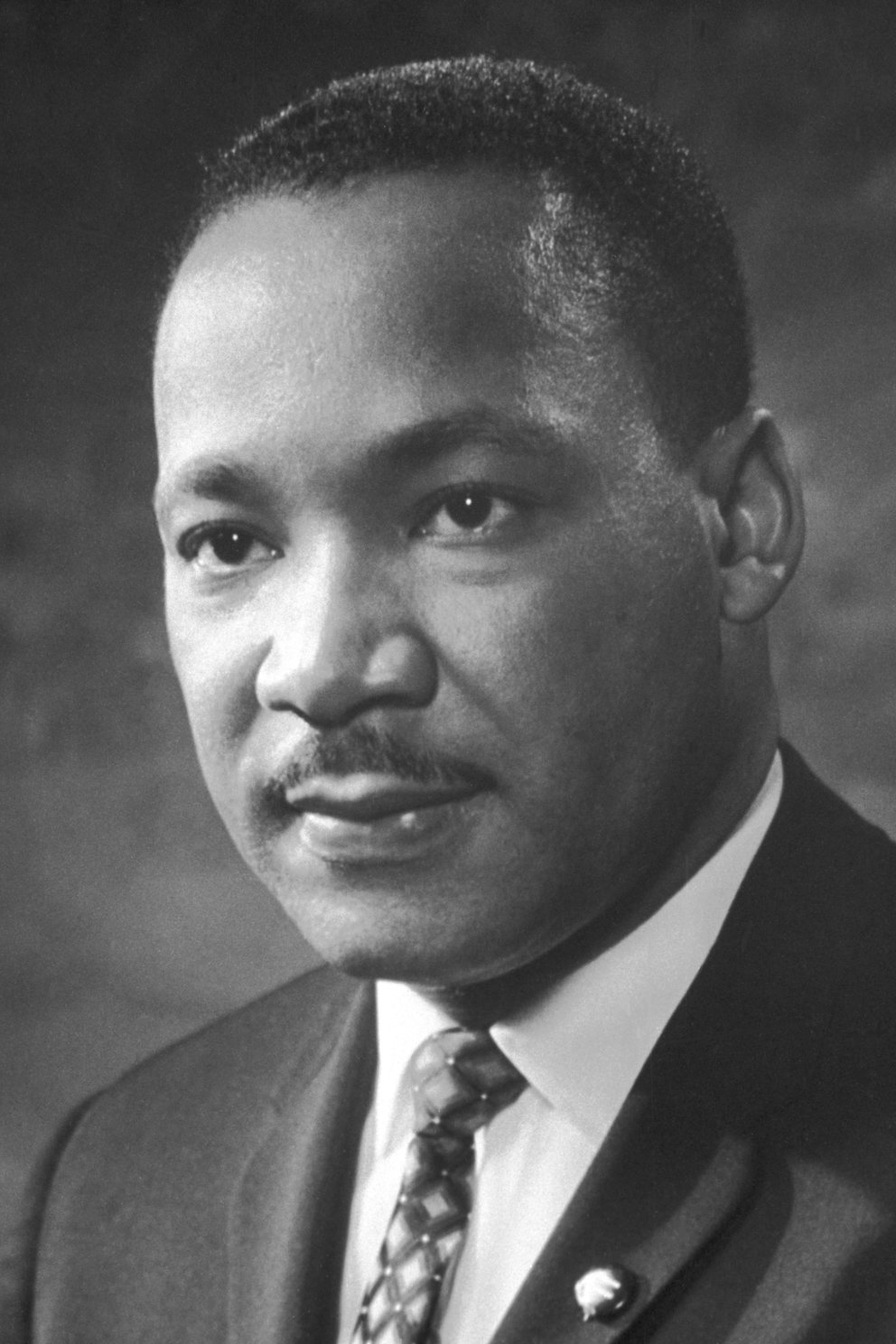
Charles Richard Drew was born in Washington, D.C., in 1904 and raised in the Foggy Bottom neighborhood. He attended Amherst College on an athletic scholarship and graduated from McGill University Medical School in Montreal, where he had transferred after being repeatedly rejected by American medical schools that did not admit Black students. He was first in his class.
Drew's research on blood preservation, conducted at Columbia University's medical school in the late 1930s, produced the first rigorous demonstration that blood plasma — the liquid fraction of blood, separated from the cellular components — could be stored for long periods without refrigeration and transfused with a much wider compatibility profile than whole blood. This single finding made battlefield transfusion medicine possible at scale.
When Britain faced the Luftwaffe bombing campaign in 1940, Drew was appointed medical director of the Blood for Britain project — the first large-scale blood-plasma banking program in history. He designed the collection, processing, and shipping protocols; organized the system of volunteer donors in New York City; and oversaw the production of approximately 14,500 liters of plasma that were shipped to Britain in the program's five months. When the United States entered the war, Drew was appointed assistant director of the American Red Cross blood donor program — the largest such program in history.