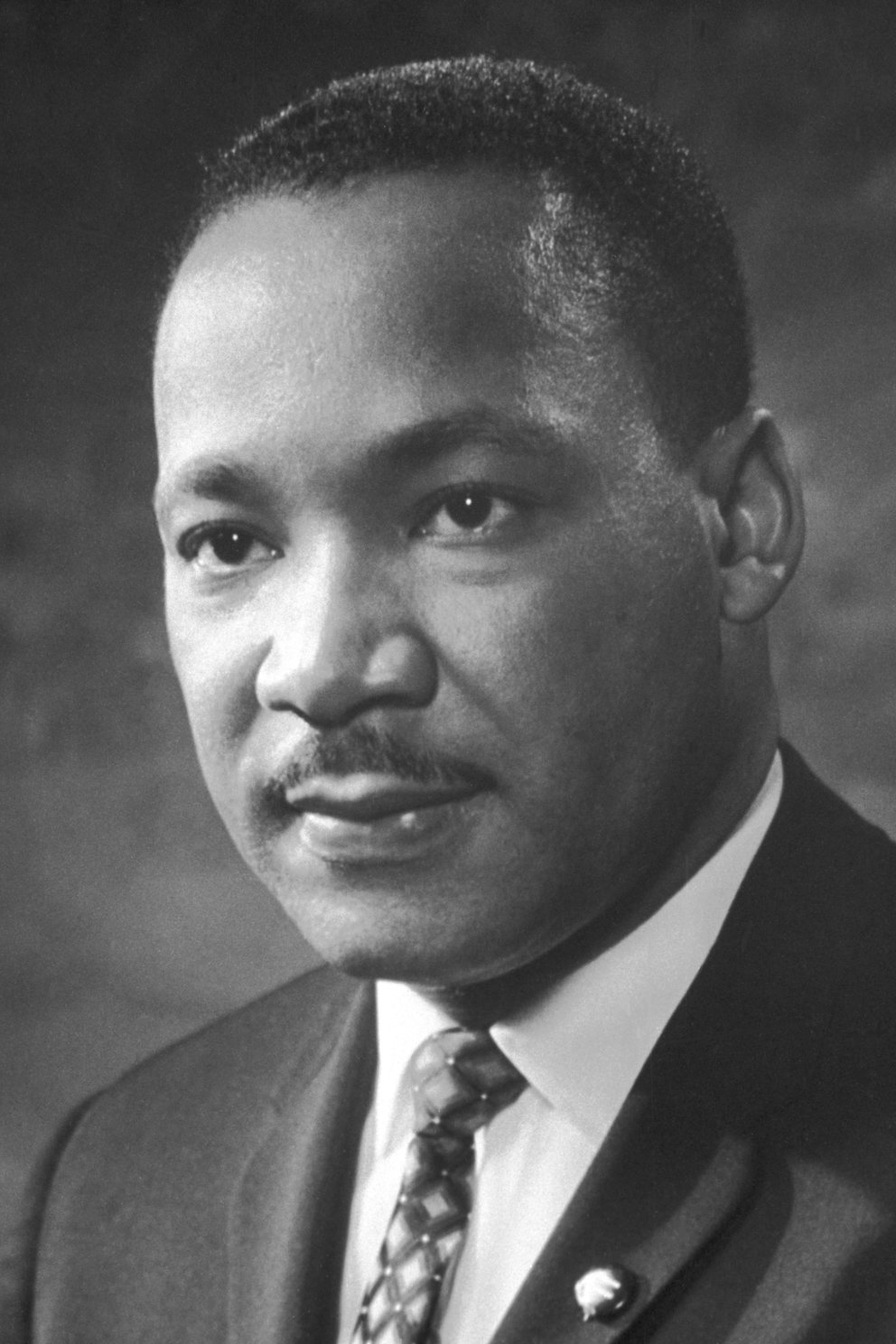
On April 26, 2018, Bryan Stevenson and the Equal Justice Initiative opened two linked Montgomery, Alabama, institutions to the public: the National Memorial for Peace and Justice, and the Legacy Museum: From Enslavement to Mass Incarceration. Together they constitute the largest and most architecturally ambitious memorial to the victims of racial terror ever constructed in the United States.
The Memorial occupies six acres on a hillside overlooking downtown Montgomery. Eight hundred suspended weathered-steel monuments, each engraved with the county it represents and the names of the documented lynching victims from that county, hang in a sequence that begins at eye level and gradually rises above the visitor's head until, by the far corner, the monuments are suspended at the height of a hanging body. The effect is cumulative and intentional: the visitor does not observe the memorial; they pass through it.
The adjacent Legacy Museum is structured as a continuous argument: from the domestic slave trade, to the Reconstruction-era terror that replaced it, to the Jim Crow system that codified the terror into law, to the mass-incarceration complex that has, in the years since the 1994 Crime Bill, produced an American carceral population of more than two million people — the largest per capita in the world, and disproportionately Black.
Stevenson, a MacArthur Fellow and the author of the 2014 bestseller Just Mercy, has been EJI's executive director since he founded the organization in 1989. Under his leadership, EJI has won cases before the U.S. Supreme Court, secured the release of more than a hundred and forty wrongfully convicted prisoners, and documented more than six thousand previously unrecorded racial-terror lynchings. The Memorial and Museum are the physical, public form of that three-decade documentary project.